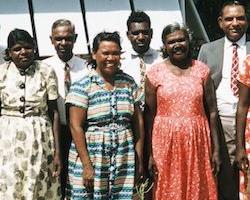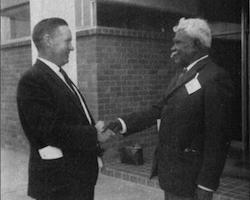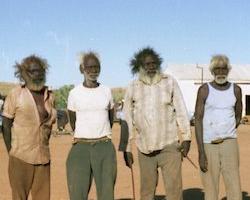

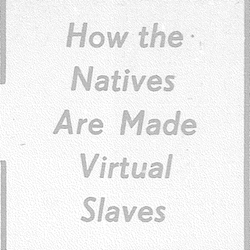
In the Pilbara, as in other parts of Australia’s north, dependence on Aboriginal labour, including domestic labour, was central to the colonial domination that started after European settlers began to establish sheep and cattle stations in the 1860s. The Aboriginal people were determined to change this system. Speakers of several different languages took part in the strike, including the Ngarla, Nyamal, Nyiyaparli and Kariyarra, who were traditional owners of the country where it took place. Men and women who had migrated into the region from other areas, including speakers of Nyangumarta, Mangarla, Warnman and the Western Desert languages, were also involved.
Beginnings
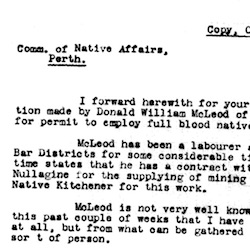
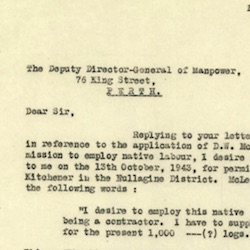
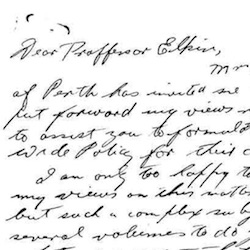
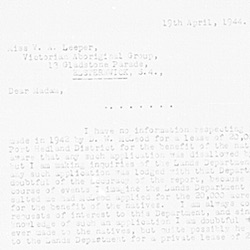
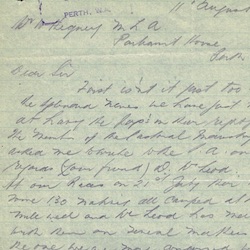
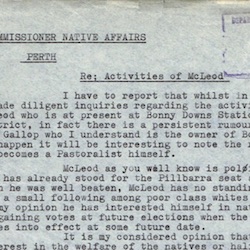
The Pilbara Aboriginal strike had its beginnings in discussions between a group of men working together building fences and sinking bores on Bonney Downs station near Nullagine in 1944 and 1945. Aboriginal men told a white contractor, Don McLeod, of their dissatisfaction with their lives as low or unpaid workers on the pastoral stations in the area. They spoke of their sense of powerlessness in the face of the pastoralists whose power was bolstered by the police. Since their labour was essential to this economically important industry, McLeod suggested a strike could be effective. But he insisted that the marrngu would need to be well organised.
Snowy Jittermarra, Looking For A Way
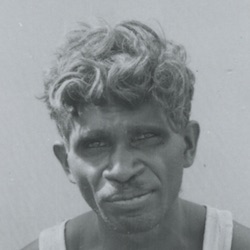
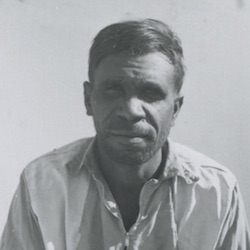
According to Snowy Jittermarra (Maruntu), marrngu had been looking for a long time for a way to acquire greater control over their own lives. Discussions between a Nyiyaparli man called Kitchener and McLeod, who had already come to the attention of authorities for political activities on behalf of Aboriginal people, offered a way forward.
Constable Fletcher's Report on Race-Time Meetings
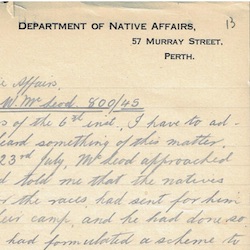
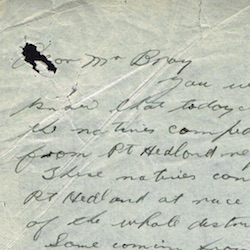
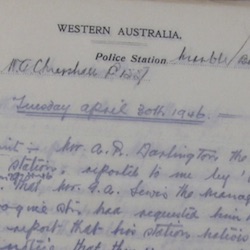
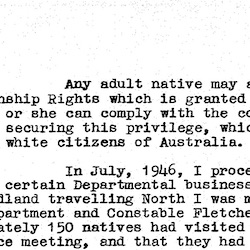
Ideas discussed included a scheme to obtain land of their own and set up economic enterprises so they would no longer be dependent on station employment. In 1945 marrngu from across the region held meetings to discuss these ideas when they converged on Port Hedland for the annual horse races. Constable Les Fletcher of the Port Hedland police was invited to attend. This is his report of the meeting.
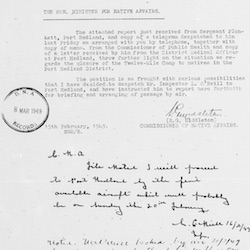
DNA Attempts to Stop Aboriginal Organisers Spreading the Word
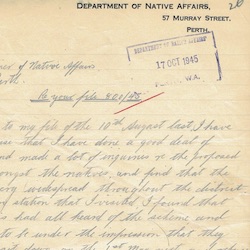
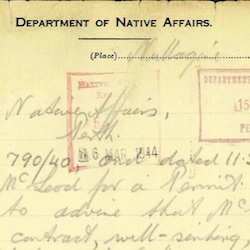
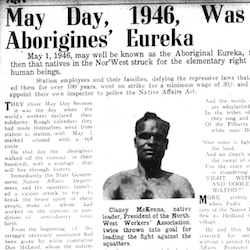
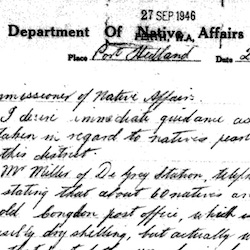
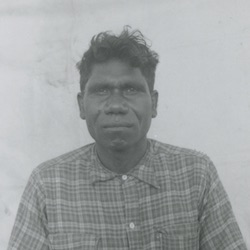
The Aboriginal organisers travelled around the area spreading the word about the strike. The Department of Native Affairs was troubled by this and tried to counter it. Nyamal man, Clancy McKenna, was one of the principal organisers. Dooley Binbin, a Nyangumarta man, took up an organising role late in 1945.
May Day
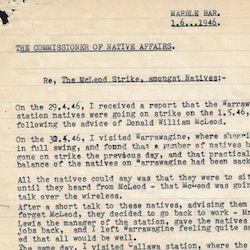
The initial action, planned for 1 May 1946, was a sit-down strike. On or around that date, Aboriginal people throughout the region refused to work, demanding a basic wage of 30/- a week. They planned to withhold their labour until McLeod had negotiated with the Native Affairs Department to be appointed as an Honorary Inspector of Natives who could address Aboriginal people’s living and working conditions. On some stations, such as De Grey and Strelley, 5/- pay rises were awarded for the duration of the shearing, and this saw the workers return to work. Elsewhere, police officers responded quickly to the strike, travelling around stations to pressure marrngu to return to work. By the end of the first week in May, the only marrngu not working were those evicted from towns and stations for refusing to work.
Cranky Iti, Striking at Warrawagine Station
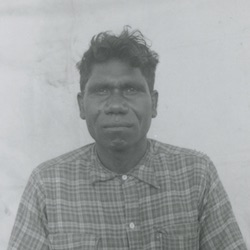
Small communities of marrngu on widely dispersed stations found it difficult to conduct a strike of this nature. Kujupurra (Cranky) was a cattleman on Warrawagine station on 1 May 1946. He recalls the tactics used by the police to suppress the initial strike action.
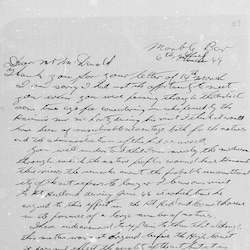
McLeod Writes from the Port Hedland Lock-Up
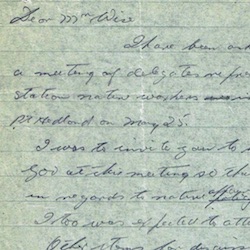
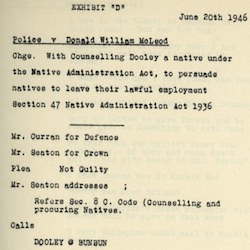
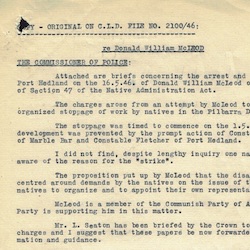
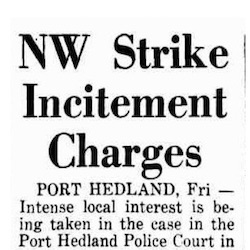
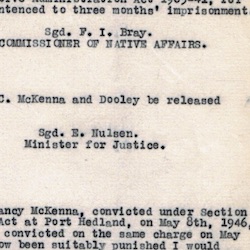
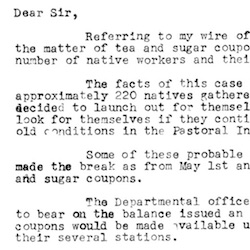
In the wake of this failed action, strike leaders began arranging for representatives from each station to come together for a meeting on 25 May. But, before this meeting could take place, McKenna, Dooley and McLeod were arrested. This letter was written by McLeod from the Port Hedland lock-up.
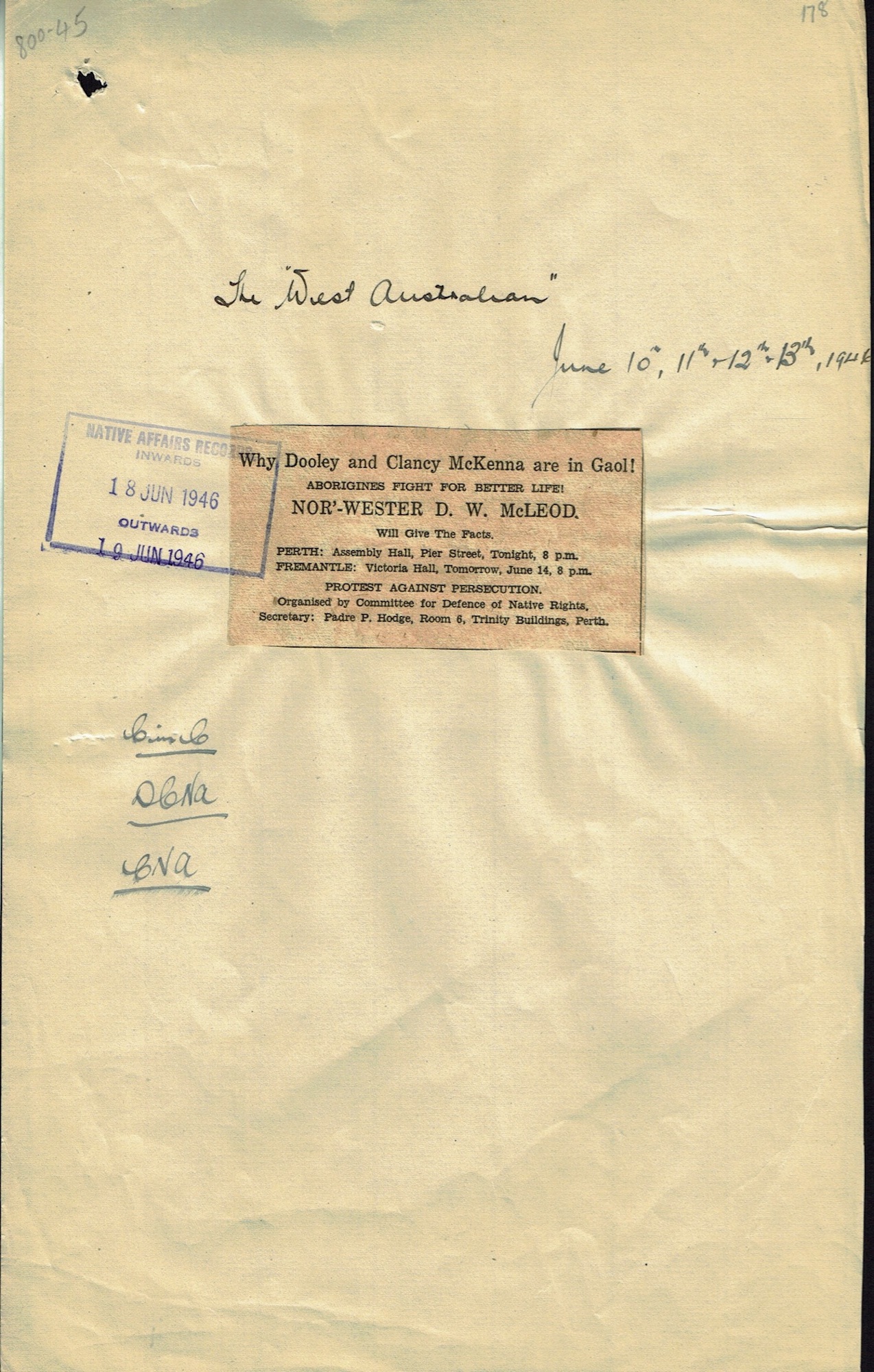
Why Dooley and Clancy McKenna are in Gaol!
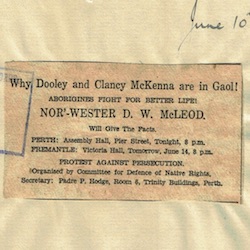
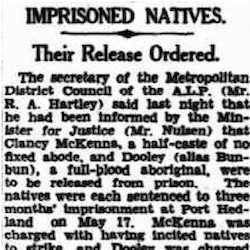
Viewing the strike as a disturbance orchestrated by McLeod, pastoralists hoped he would receive a long jail sentence. They were disappointed when he only received a heavy fine. Following his trial, public pressure led to the early release of Clancy McKenna and Dooley Bin Bin.
The Walk-Off
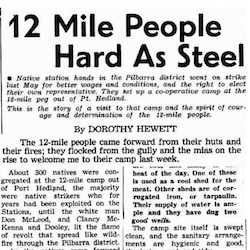
The opportunity for marrngu to act as a group came in July 1946 when people from across the region attended the annual races in Port Hedland. Marrngu were ordered by the police to camp outside the town, but they defiantly walked into town during the night and set up camp at the Two Mile. This took remarkable courage and was a significant milestone in the development of the strike. Marrngu found that settler power was not absolute after all. Indeed, the police and the Department of Native Affairs were at a loss to know how to respond. When the races ended, marrngu refused to return to stations, setting up two strike camps instead. One camp was established at the Twelve Mile, 20 kilometres from Port Hedland, under the leadership of McKenna, Ernie Mitchell and others, and another at Moolyella, near Marble Bar, under Dooley’s leadership.
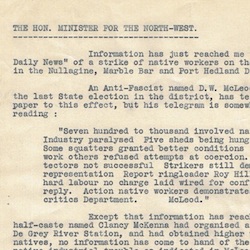
Don McLeod Arrested Again, Natives Solid
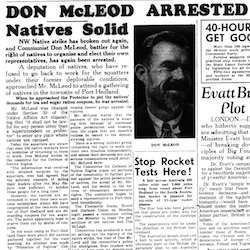
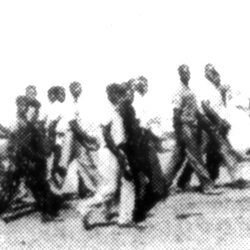
Before setting up strike camps, the strikers staged a number of non-violent demonstrations in Port Hedland in a show of strength.
Caroline Jula, Striking from Warrawagine Station
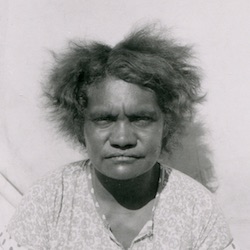
During the second half of 1946, groups and individuals walked off stations and other workplaces to join the strike camps. Caroline Jula, who had worked as a domestic servant at Warrawagine station, joined the strike camp at Moolyella in late 1946.
The Western Australian Department of Native Affairs tried repeatedly and persistently to end the strike and return workers to stations. The strikers held out, however, using successful non-violent strategies to maintain their stand.
Aboriginal People Gain Political Power
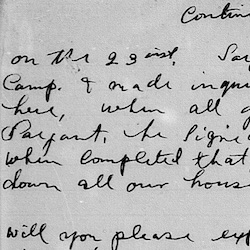
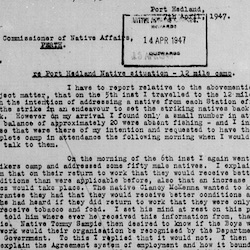
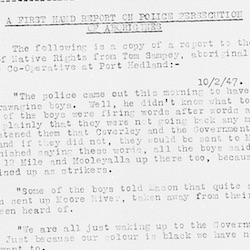
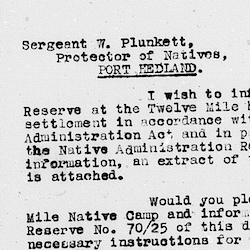
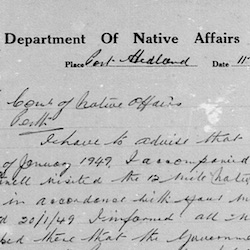
Strikers were increasingly able to negotiate individual agreements with pastoralists to return to station work on increased wages and with improved living conditions, while the Department of Native Affairs found itself unable to reimpose control over marrngu because of fear that those now in employment would re-join the strike. This letter, written by Tommy Sampie in response to a government decision to declare the Twelve Mile a prohibited area for Aboriginal people to camp, caused the prohibition to be quickly reversed and illustrates the considerable political power that marrngu were gaining through their actions.
Filling the Jails
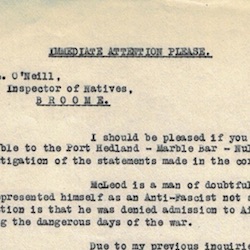
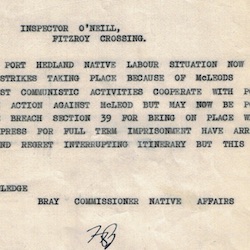
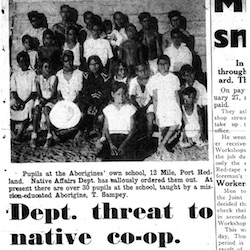
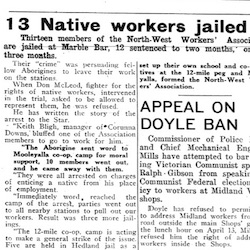
Strategies employed by the strikers included acts of civil disobedience in response to heavy-handed policing. In 1949, following the imprisonment of strikers for removing a worker from a station, Native Affairs Inspector Laurie O’Neill threatened further arrests if marrngu continued to assert their own authority. Strikers responded to O’Neill’s warning that there were ‘plenty of police and plenty of jails’ with a defiant campaign to fill the jails. This forced the government to adopt a more respectful and less punitive approach to dealing with the strikers. The campaign to fill the jails also led to union action in support of the strike.
O'Neill's Account of Strikers' Campaign to Fill the Jails
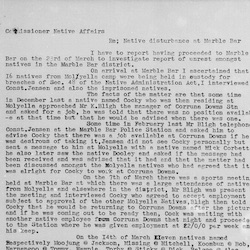
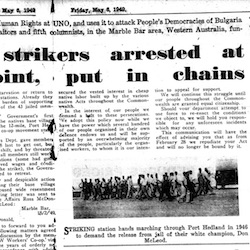
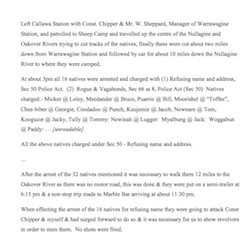
The strikers’ campaign to fill the jails took place in 1949, following the imprisonment of ten men for removing a worker, Cocky Brown, from Corunna Downs Station. In protest, and to demonstrate their refusal to be cowed by O’Neill’s threat, parties of strikers began travelling out to stations to bring more workers into the strike. By April, 43 men had been imprisoned.
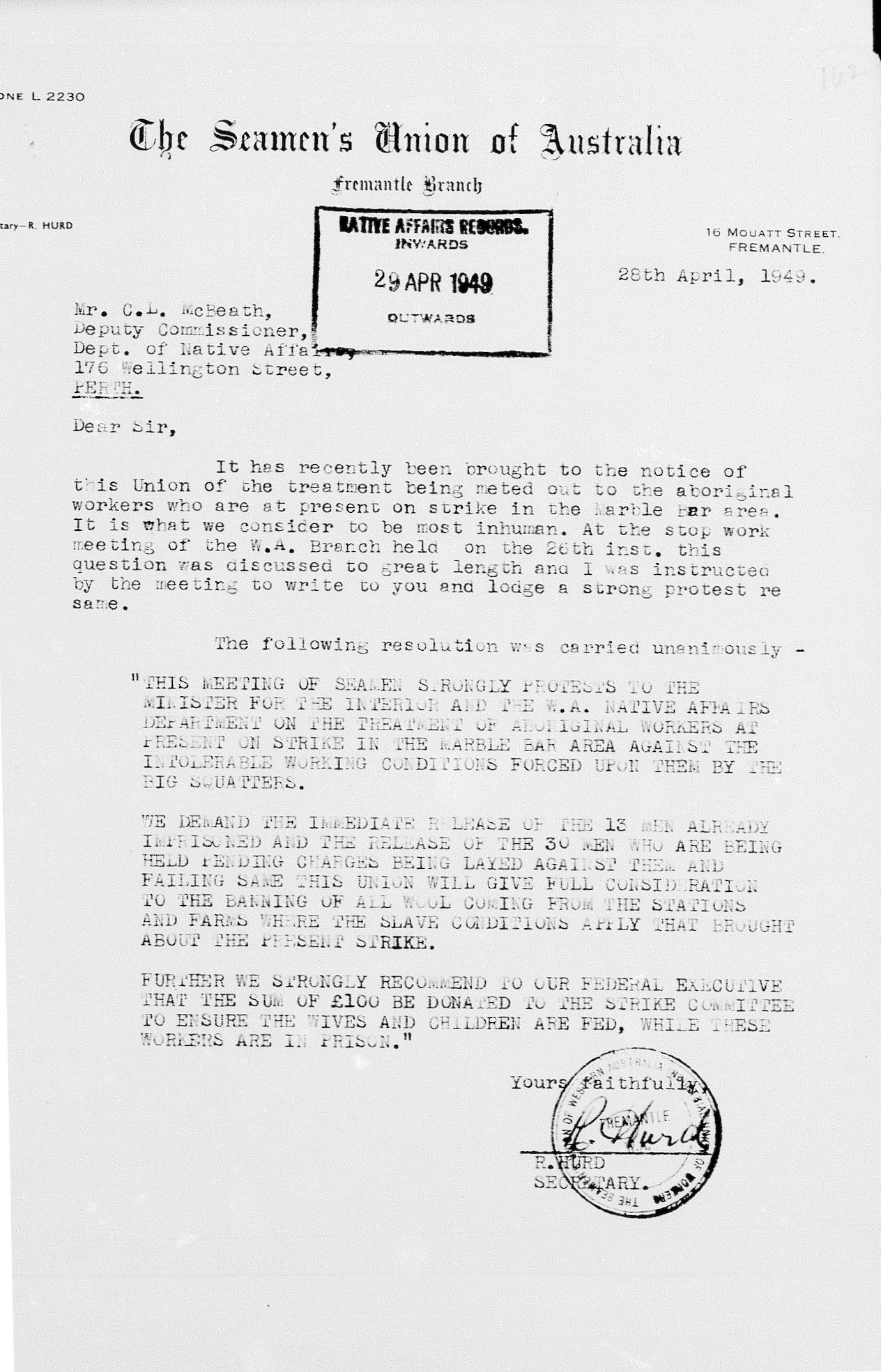
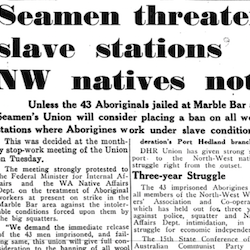
Seamen's Union Warns Government on Wool Ban
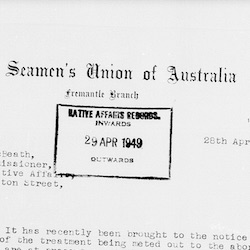
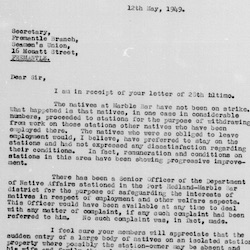
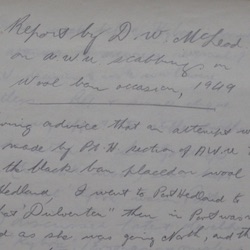
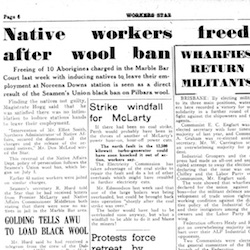
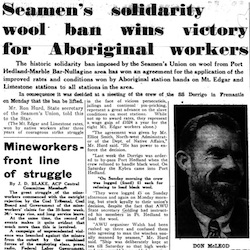
The imprisonment of so many strikers, and the use of chains in making the arrests, led the Fremantle branch of the Seamen’s Union of Australia to impose a black ban on the shipment of wool from Pilbara stations. Although there was little or no disruption to the wool industry, the ban was not insignificant, adding weight to the actions of the Aboriginal strikers and forcing the Department of Native Affairs to find less punitive responses to the strike. Secretary of the Fremantle Branch of the Seamen’s Union, Ron Hurd, gave the government two months warning before imposing the ban on 1 July 1949.
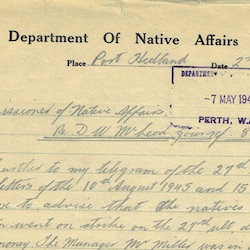
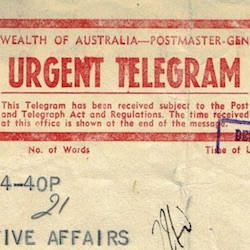
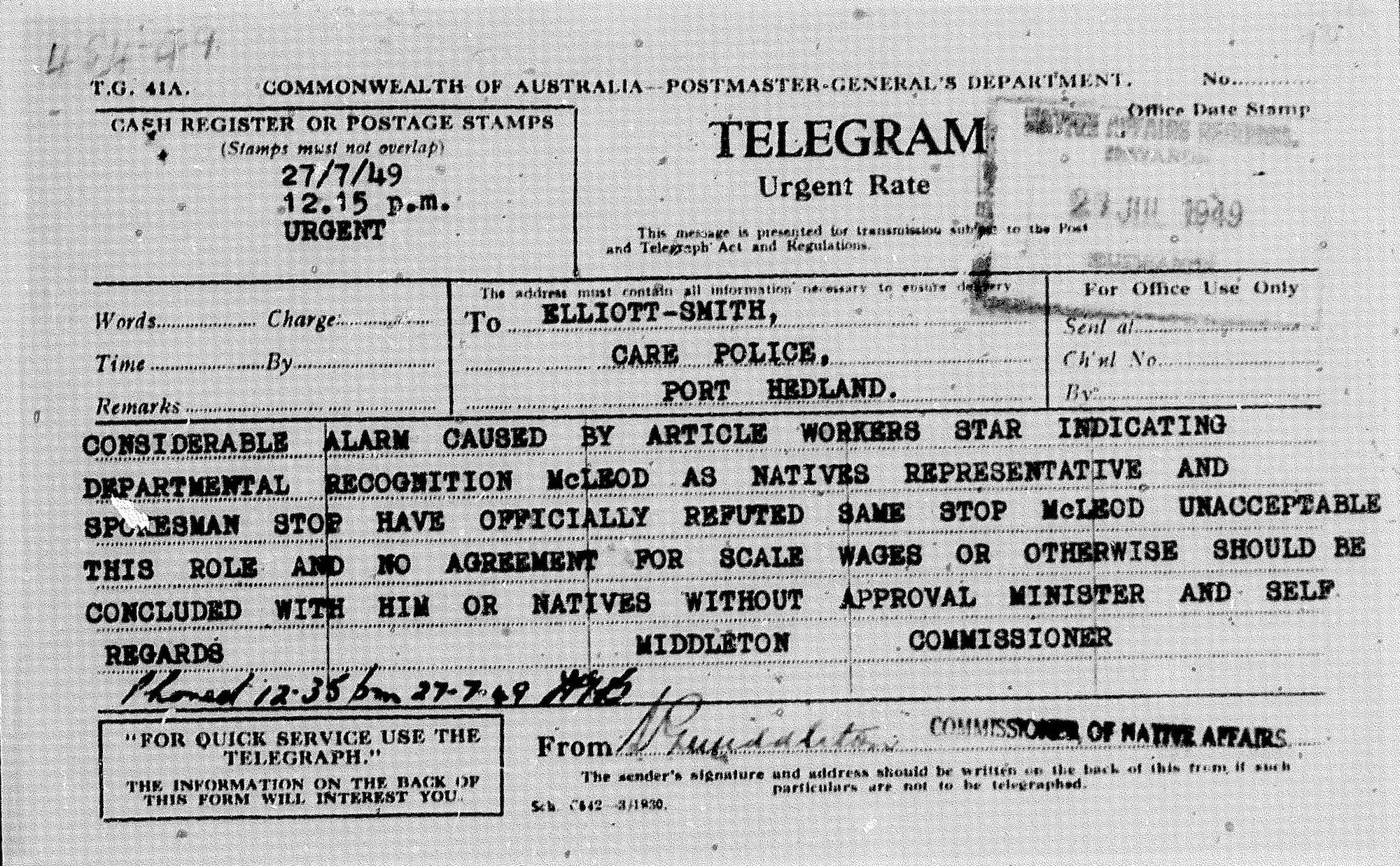
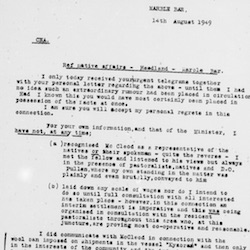
Urgent Telegram on Recognition of McLeod as Aboriginal Representative
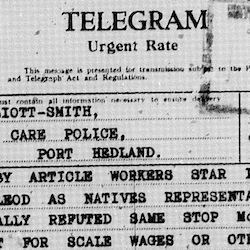
The wool ban was lifted as a result of guarantees made to McLeod by Native Affairs officer Sydney Elliott-Smith, but the Western Australian government bowed to Pastoralists’ Association and the Australian Workers’ Union protests and denied that any agreement had been made. Nevertheless, the strikers’ actions, supported by the Seamen’s Union, led to significant concessions being granted by the Department of Native Affairs.